
-
Cambridge IGCSE Computer Science 2029: A New Python Course for 0265
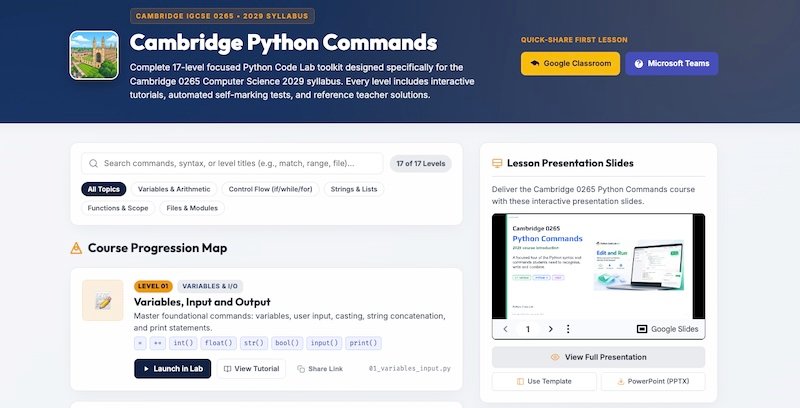
Cambridge IGCSE Computer Science is changing significantly for examinations from 2029. One of the biggest changes is the move away from pseudocode towards Python 3, with students expected to solve programming problems using real Python syntax. To support this, I have created a new Cambridge 0265 Python Commands – 2029 course. The aim is simple:
-
Why I Built a Kid-Friendly Podcast Studio: Simplicity, Sound Effects, and Zero Subscriptions
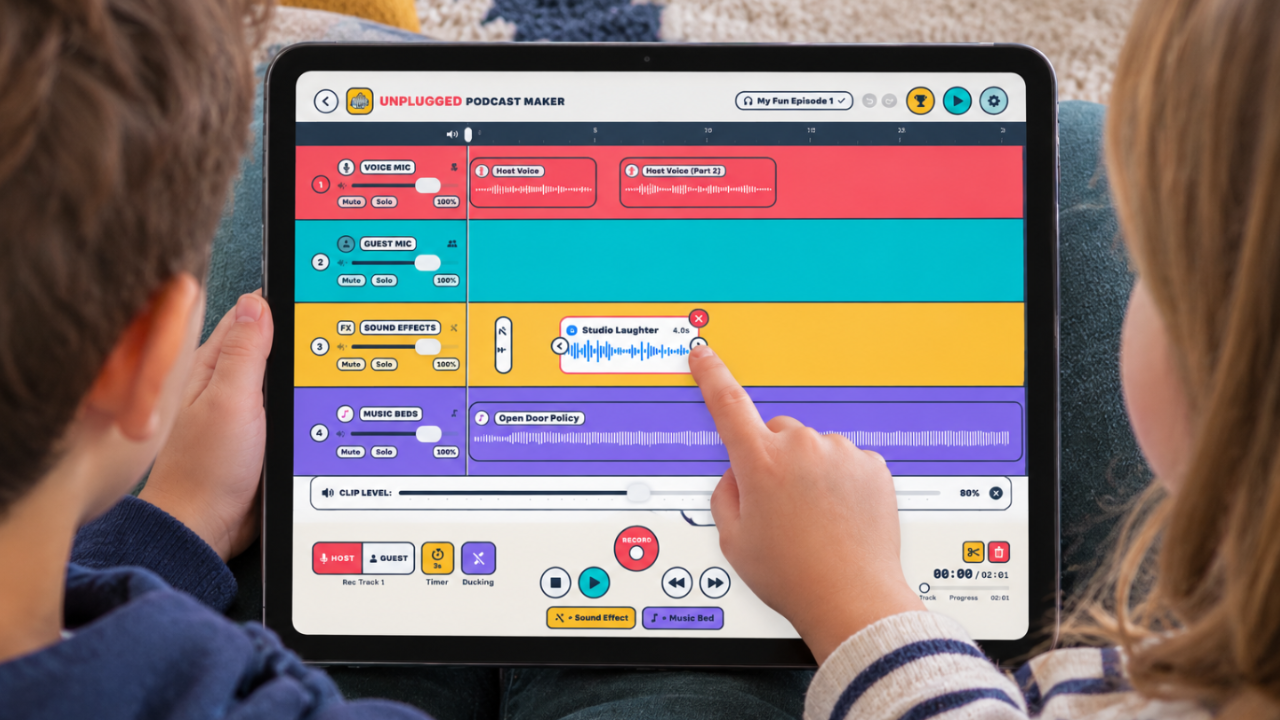
Every week while producing my newest podcast, Unplugged and Unlocked, my boys would sit nearby, watching intently. It didn’t take long before the questions started: “Papa, can we record our own podcast?” Naturally, my instinct was to hand them standard audio tools. We pulled up platforms like GarageBand and other popular digital audio workstations. But
-
Cambridge IGCSE Computer Science 2029: Python Replaces Pseudocode and AI Moves Centre Stage

Cambridge has published the new IGCSE Computer Science 0478 syllabus for examinations from 2029, and this is much more than a routine refresh. The current 2026-2028 syllabus remains in place for students sitting examinations up to 2028, but the replacement changes both what students learn and how programming is assessed. Cambridge describes the revision as
-
The Phone Problem: Control What You Can, Influence What You Cannot
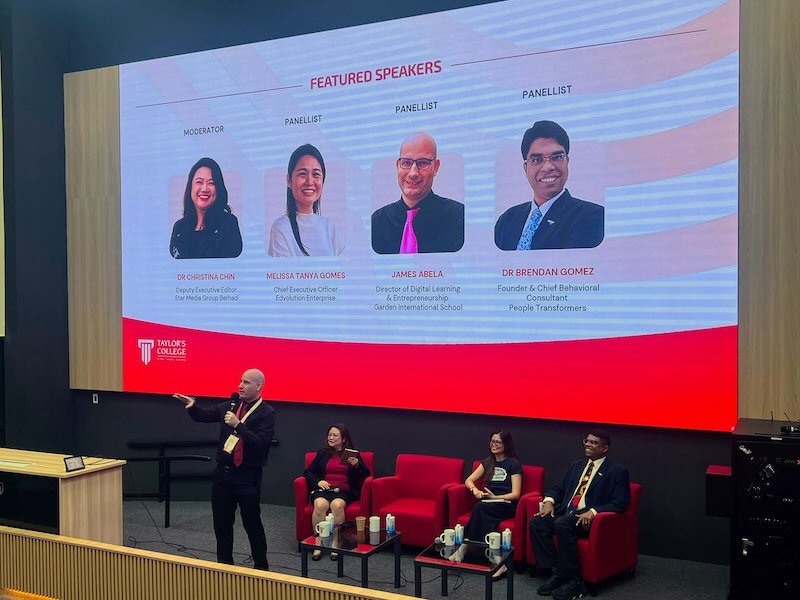
Today, while speaking on a panel at the RISE Educator Conference, I was asked a question that genuinely stayed with me: “How can we make parents stop their children using their phones?” I found it heart-wrenching, because I can completely understand the frustration behind it. Schools see the consequences of excessive phone use every day.
-
The Subscription Default
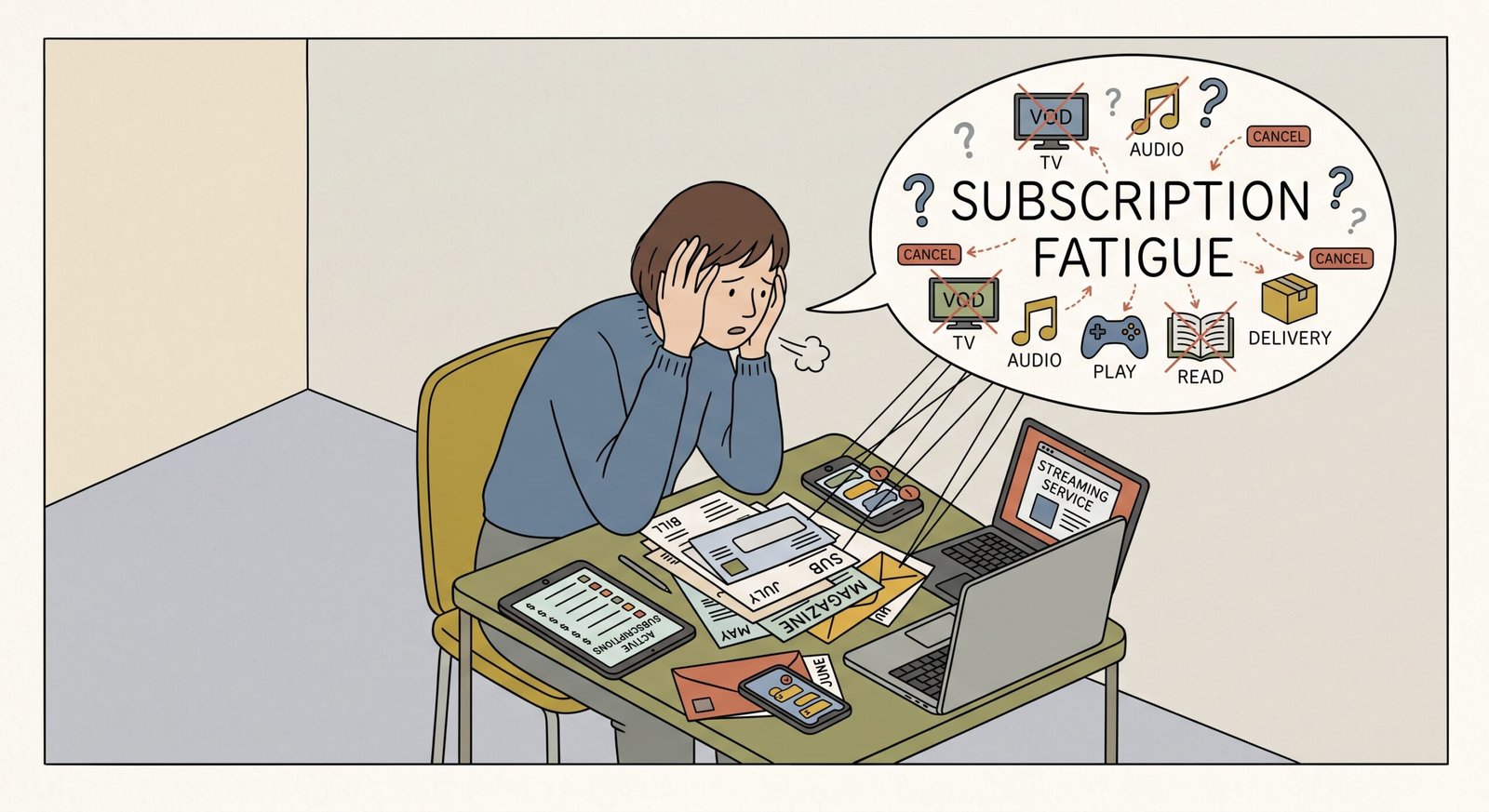
Why Everything Wants a Piece of Your Paycheque (And the Case for a Third Way) There was a time when buying software was a straightforward, almost unthinking transaction. One might even say most things were purchase as an impulse buy or you knew you wanted something and set the funds aside. You found an application
-
Where Should Students Practise Coding? A Guide to Coding Challenge Sites
One of the best ways to improve at programming is simply to write more programs. Tutorials are useful for introducing a concept, but there comes a point when students need to close the tutorial, look at a problem and work out the solution for themselves. There is now an enormous range of websites offering coding
-
CapCut Pad Is Rated 4+. I Think That Is a Mistake.
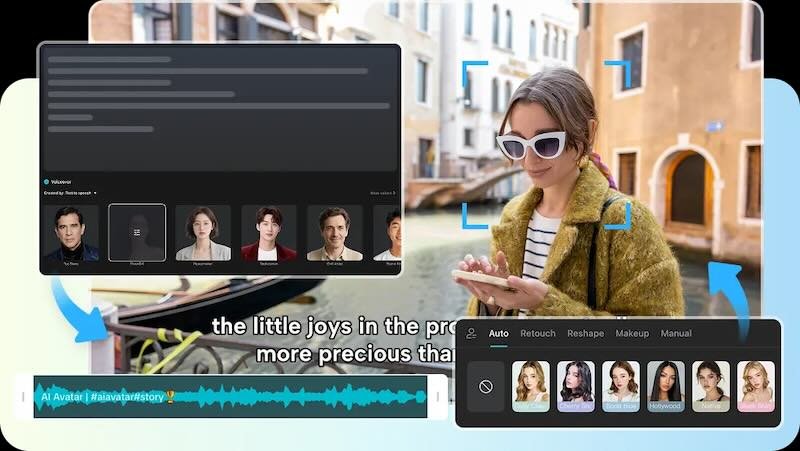
I really like CapCut as a video editor. It is powerful, easy to use and capable of producing excellent student work, but I was genuinely shocked to see that CapCut Pad is currently rated 4+ on the Malaysian App Store. The standard CapCut app from the same developer is rated 13+, yet the Pad version
-
It Looks Professional. But Is It Safe? Vibe Coding’s New Problem for Schools

Vibe coding is giving teachers extraordinary new creative possibilities. It is also allowing people with little knowledge of software security to build applications that collect, store and share data. Schools need to recognise the point at which an exciting classroom experiment becomes an information system. Yesterday I was in Singapore running a workshop for teachers
-
Python Code Lab reaches 1,700 users!
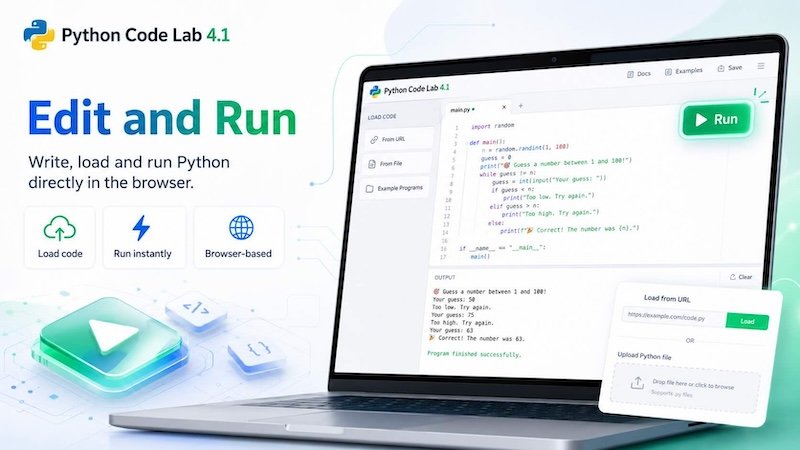
Python Code Lab has now passed 1,700 users, which feels like a great moment to celebrate how far this little project has come. The original idea was simple: give students a quick and easy place to write Python without needing to install software, create an account or configure an IDE. Open the page, start coding
-
From Grade School to Higher Ed: Rethinking AI in the Classroom
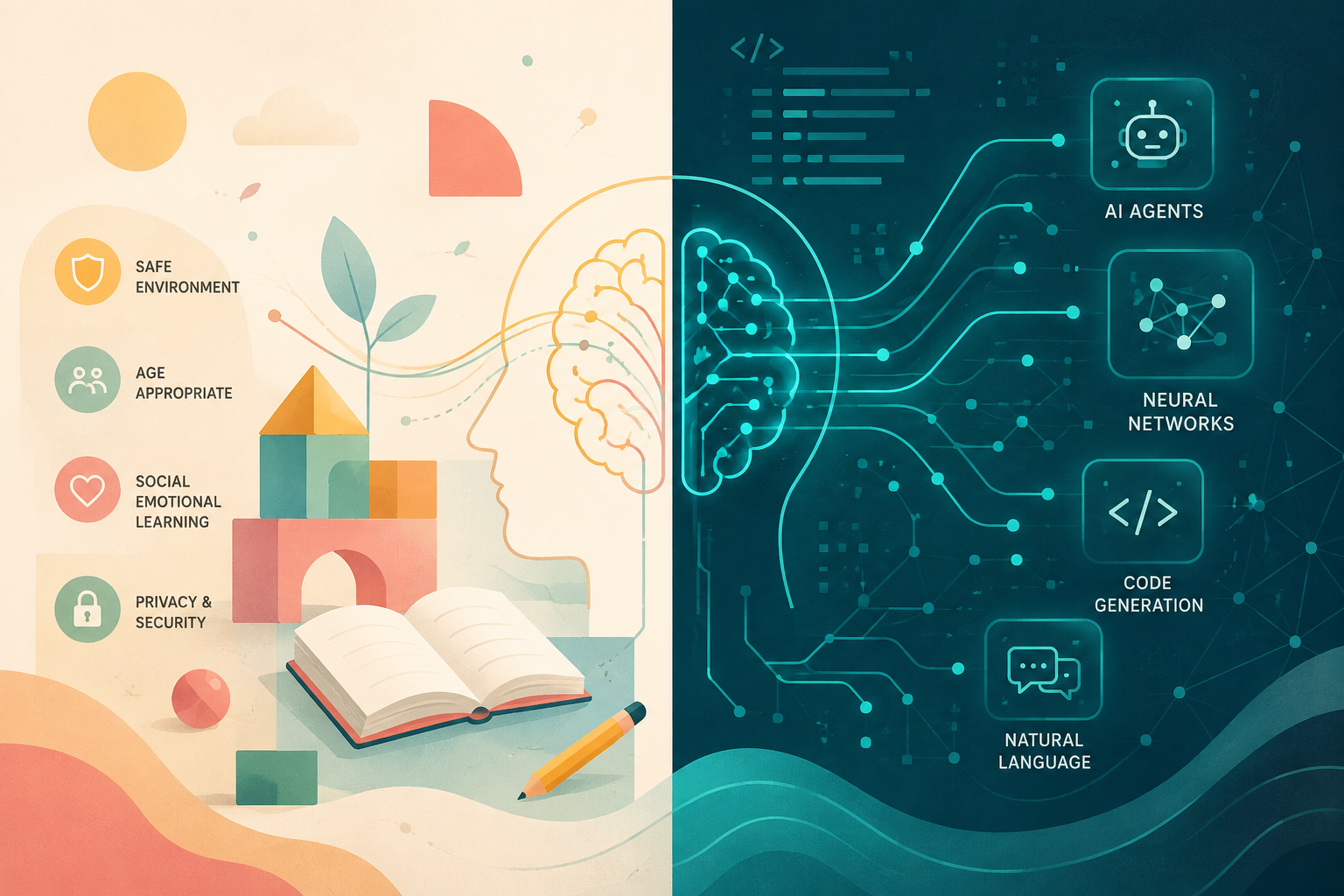
Attending the panel session on AI in education at Apple’s recent “Designed for Every Kind of Learner – Kuala Lumpur” Summit offered a fascinating look at how two distinct worlds, and two vastly different educational tiers, are grappling with artificial intelligence. Listening to Francis Jim Tuscano (Grade School Assistant Principal for Academics at Xavier School)
-
What Really Drives Student Engagement? Insights from 17,000 Classrooms
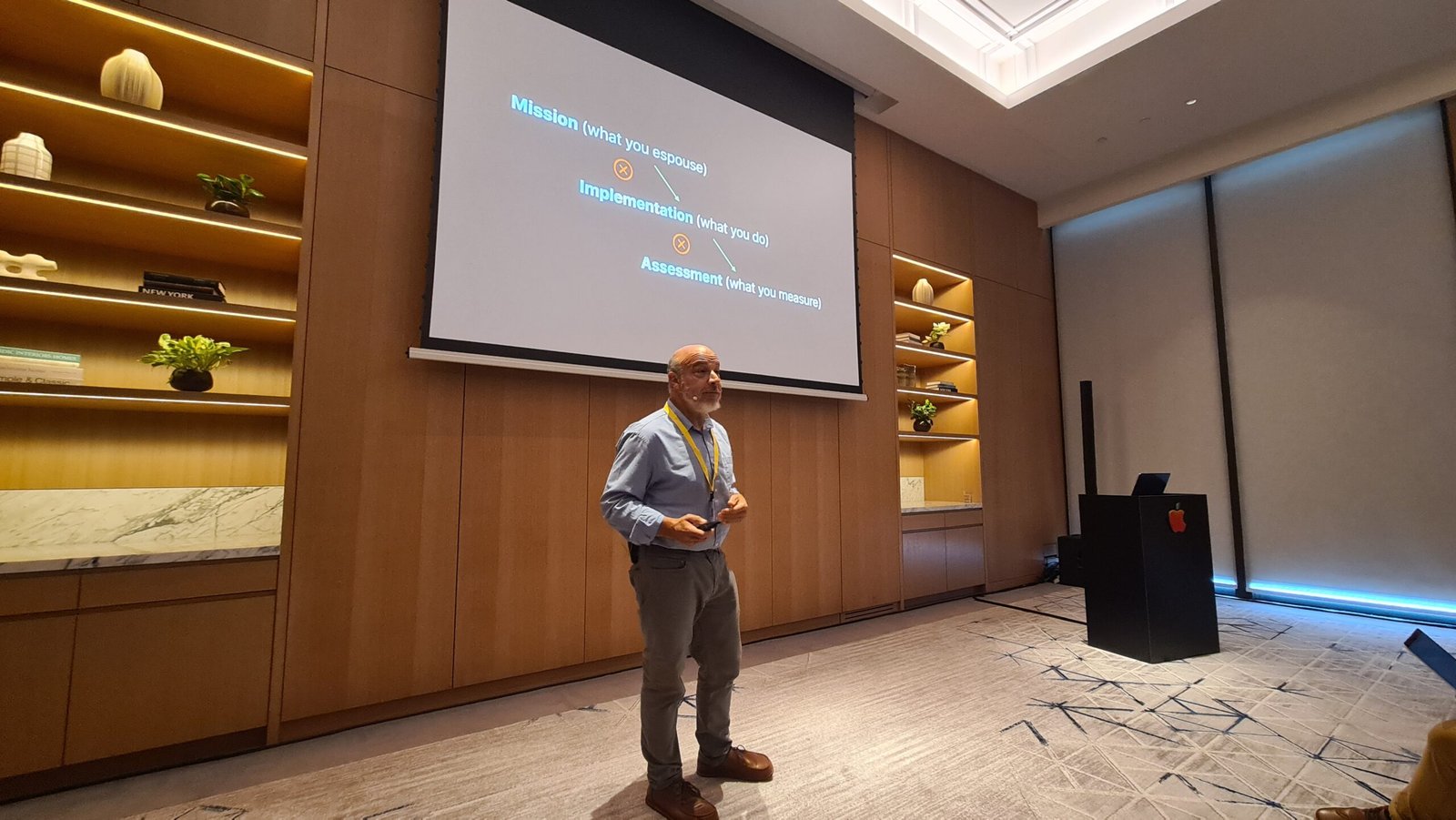
The promise of educational technology has always been vast, but for school leaders, curriculum directors, and classroom teachers, a central question remains: Is technology actually making a meaningful, measurable difference in student learning? Are the toold w ebring into the classroom driving engagement and impacting our classes? At the Apple event ‘Designed for Every Kind
-
Teaching Students to Question AI’s Answers

Luis Francisco Vargas-Madriz, an analyst at the OECD, explains why schools must move beyond teaching students how to use artificial intelligence and develop the judgement needed to evaluate, manage and shape it. Artificial intelligence is already part of young people’s everyday lives. Students use AI to search for information, support their learning, generate creative work
-
Navigating the New Level 3 Digital Systems & Data Framework: A Guide for Educators

As post-16 vocational pathways evolve, the UK Department for Education has released the official subject content for the Level 3 V Level in Digital Systems and Data. Positioned as an applied qualification equivalent in size to one A Level, this new framework is designed to bridge the gap between pure computer science theory and practical,
-
The Java Story: What 30 Years of Programming Can Teach the Next Generation
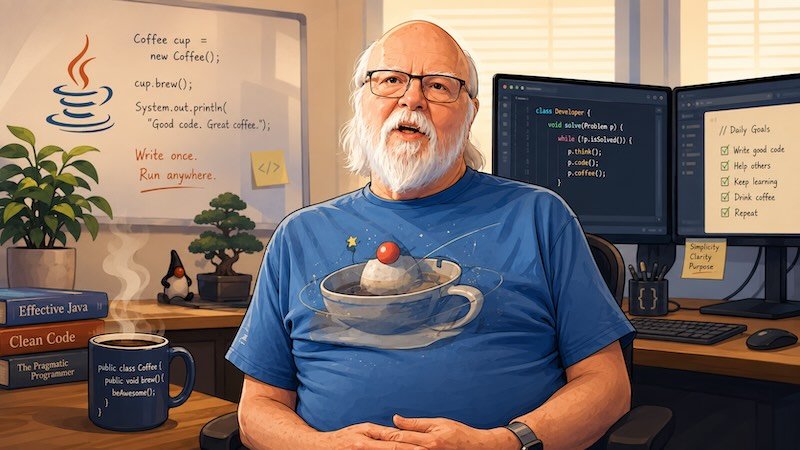
A new official documentary, The Java Story, tells the remarkable story of a programming language that began as an experimental project for consumer electronics and became one of the foundations of the modern digital world. For teachers and students, however, the documentary offers more than a history lesson. It shows how important technologies are rarely
-
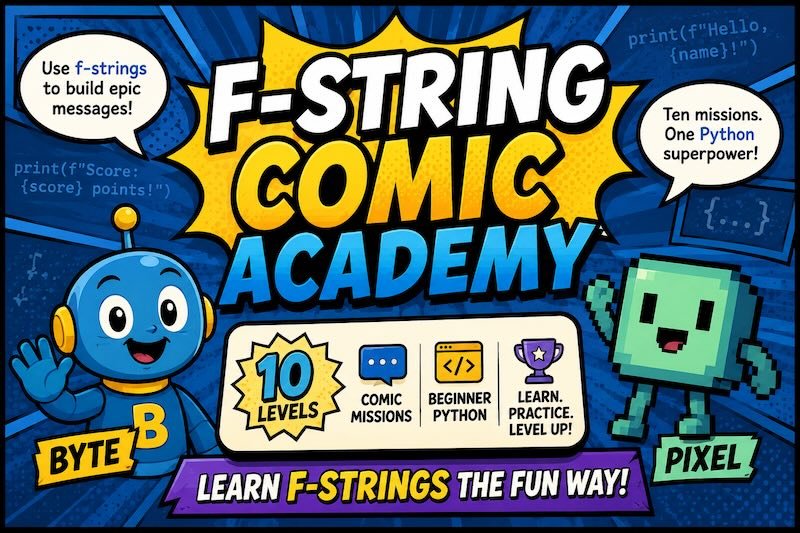
F-Strings: Making Python Output Clearer
One of the first challenges for new Python programmers is learning how to combine text, variables and numbers into useful output. Students may begin with code like this: Open this example in Python Code Lab This works, but it introduces several things at once. The student must manage spaces, quotation marks, plus symbols and the
AI Anti-gravity app design Cambridge ChatGPT child protection Chrome coaching coding computationalthinking Computer Science critical thinking csforall curriculum Data science Digital Citizenship EAL employability environment ethics events future careers Gemini Google iGCSE Java Lesson Plan mathematics Online Safety professional development programming PSHE Python Python Code Lab resilience robotics role model safeguarding Scratch search shortcut super computers training unplugged vibe coding